Explore the Unknown
Discover the secrets of black holes, galaxies, and the origin of the universe.
Trending Now
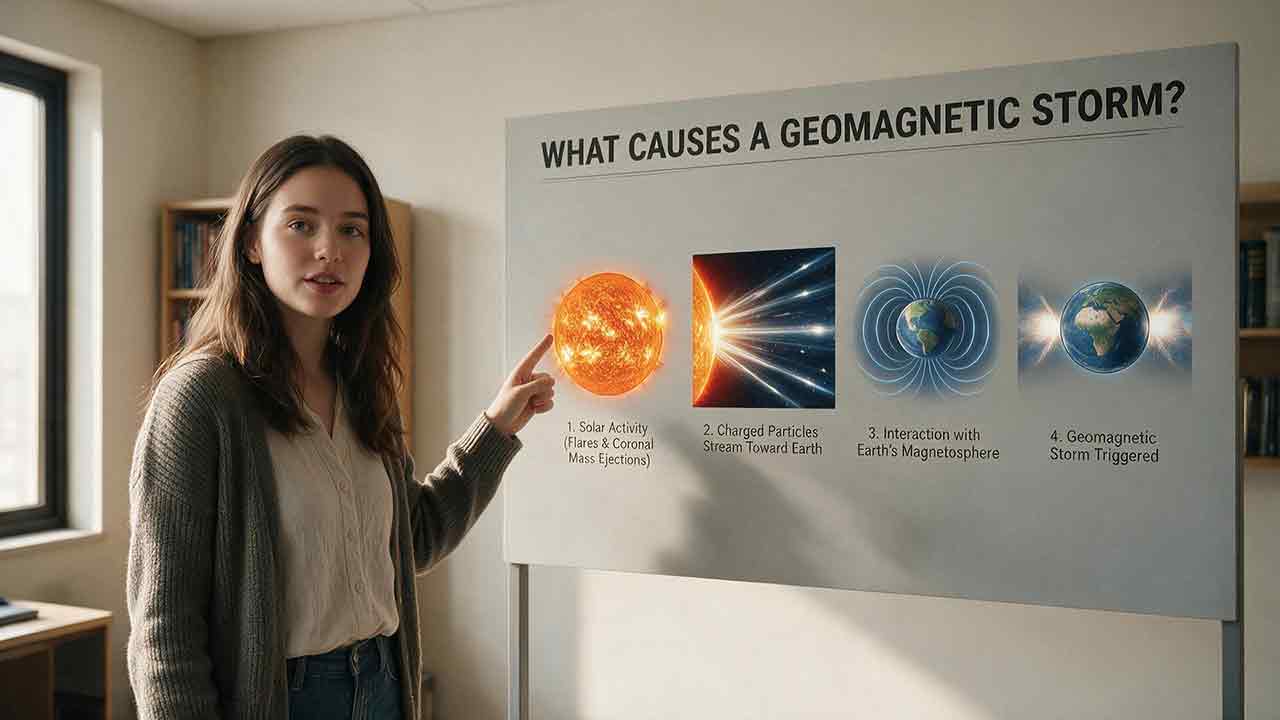
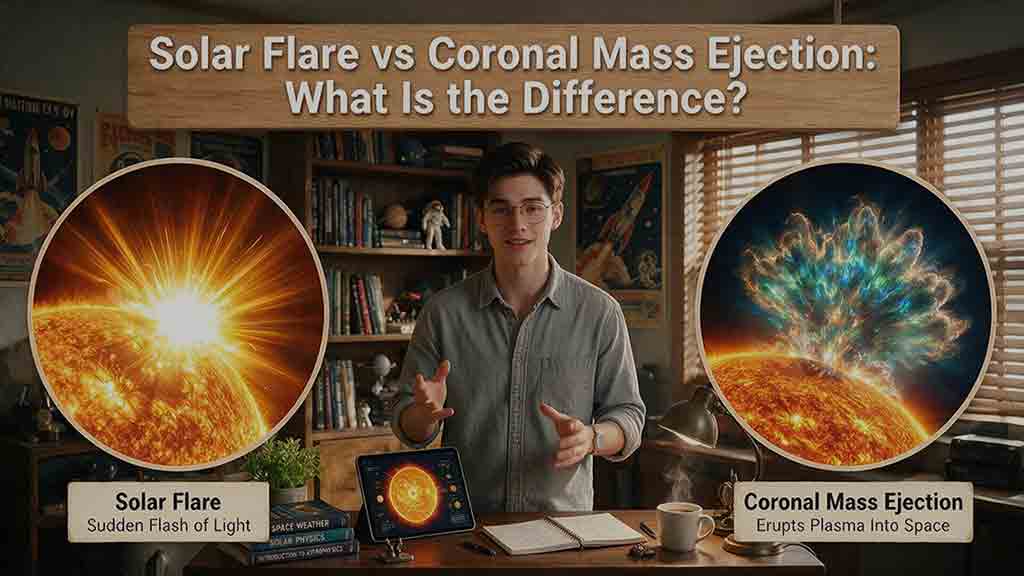
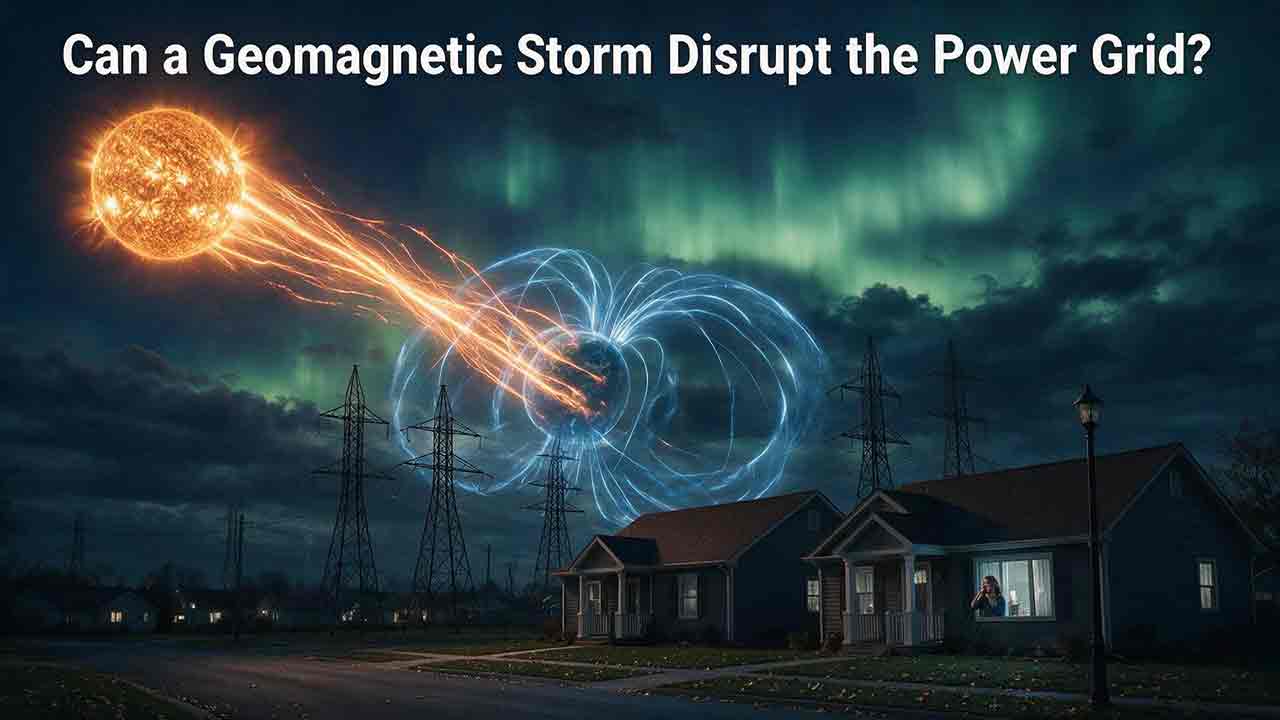
Featured Articles
Latest and most popular articles from all categories
Explore by Topic
Journey through different realms of cosmic knowledge
Aurora Forecasting & Viewing
Track solar winds and plan your northern or southern lights viewing trips. Learn to read auroral activity forecasts.
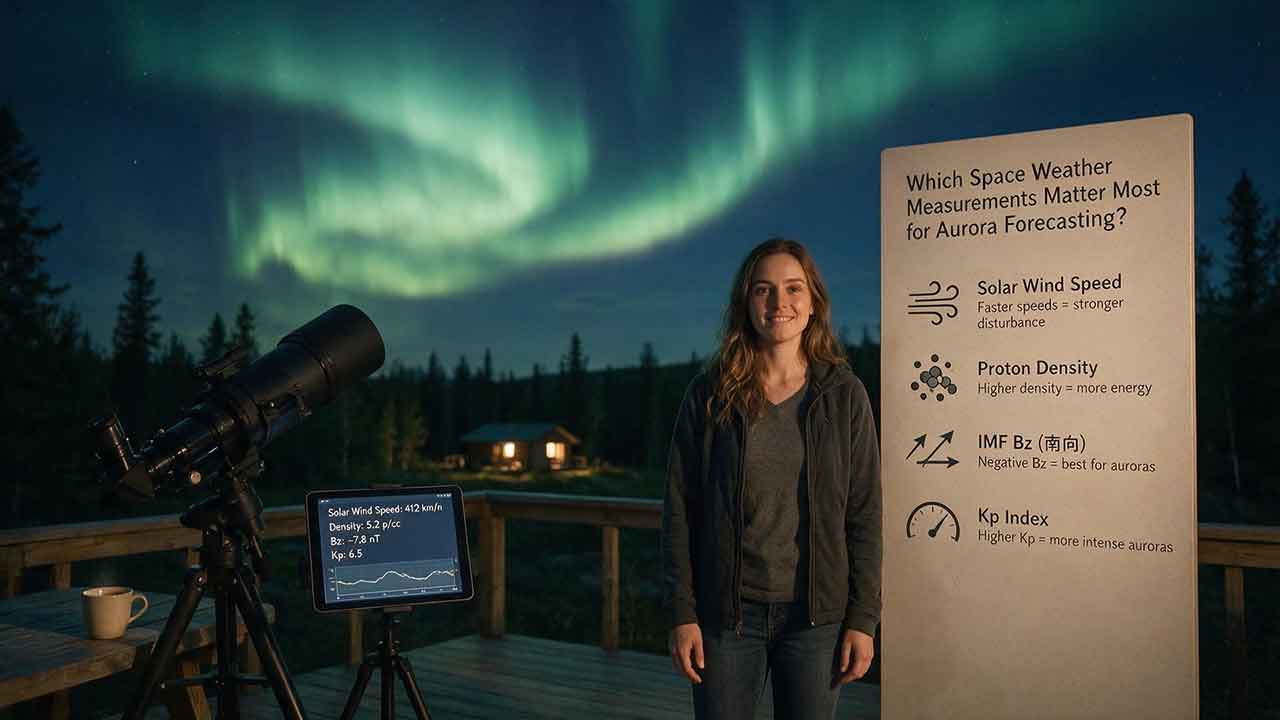
Forecast Tools & Alerts
Monitor real-time space weather conditions. Understand geomagnetic storm watches, solar flare warnings, and alert systems.
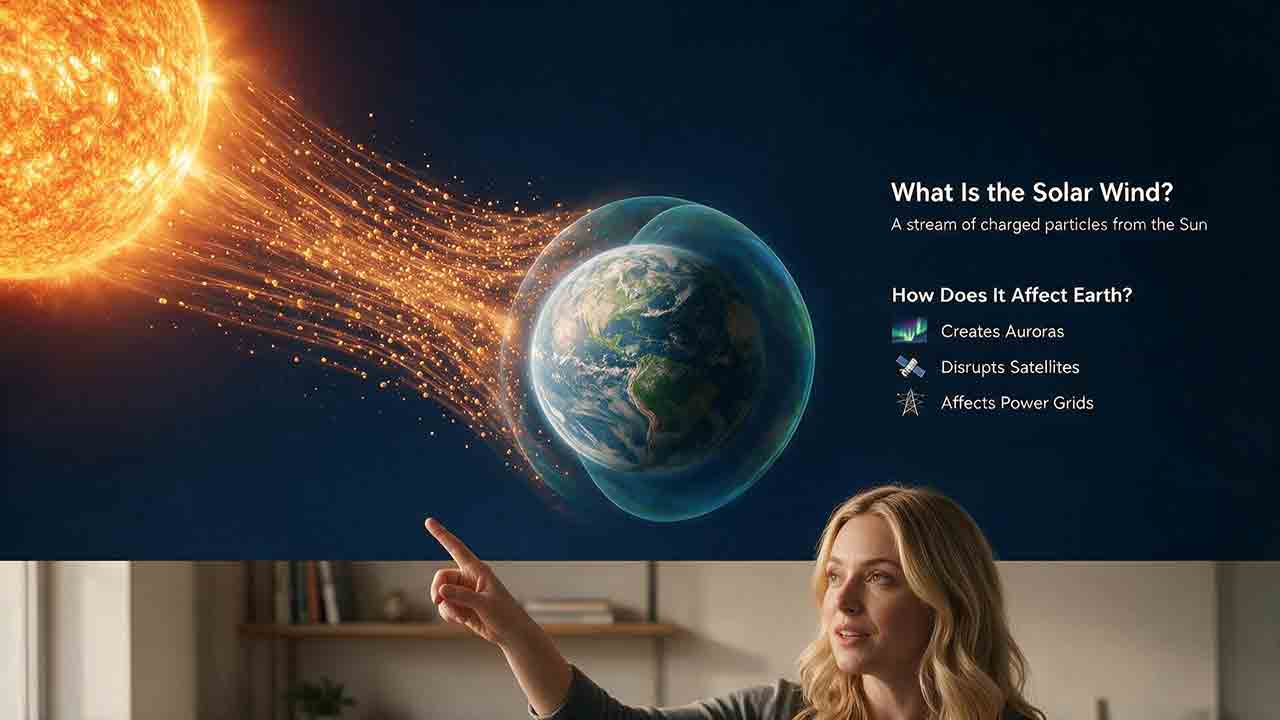
Solar Storms & Space Weather
Explore solar activity and its propagation through space. Learn about coronal mass ejections and solar flares.
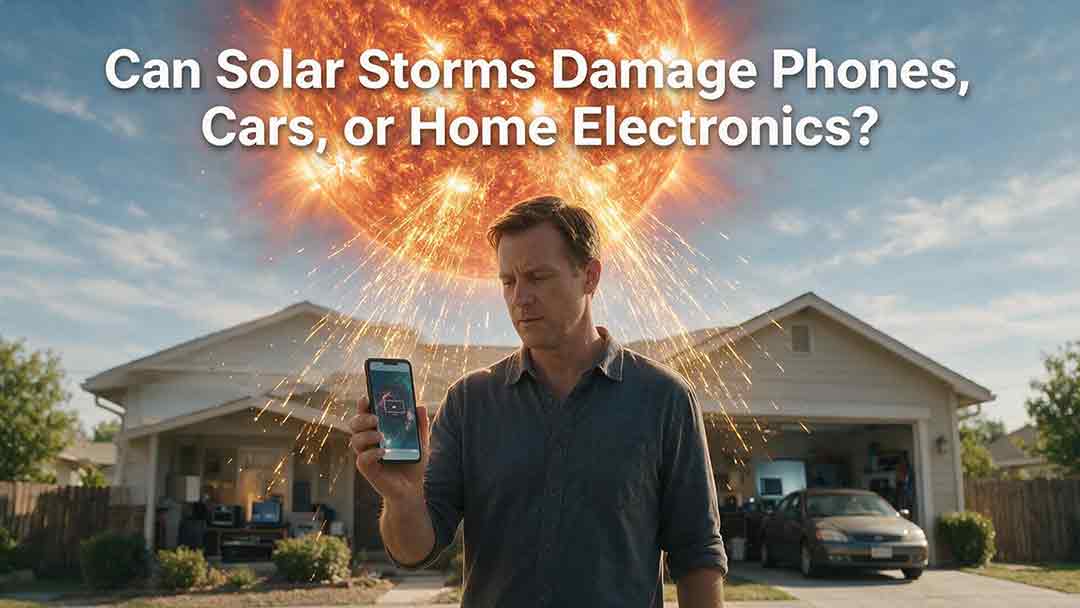
Technology & Infrastructure Impacts
Understand how solar storms affect satellites, power grids, GPS, and communication networks on Earth and in orbit.
Science Deep Dive
High-quality long-form content exploring cosmic phenomena in depth
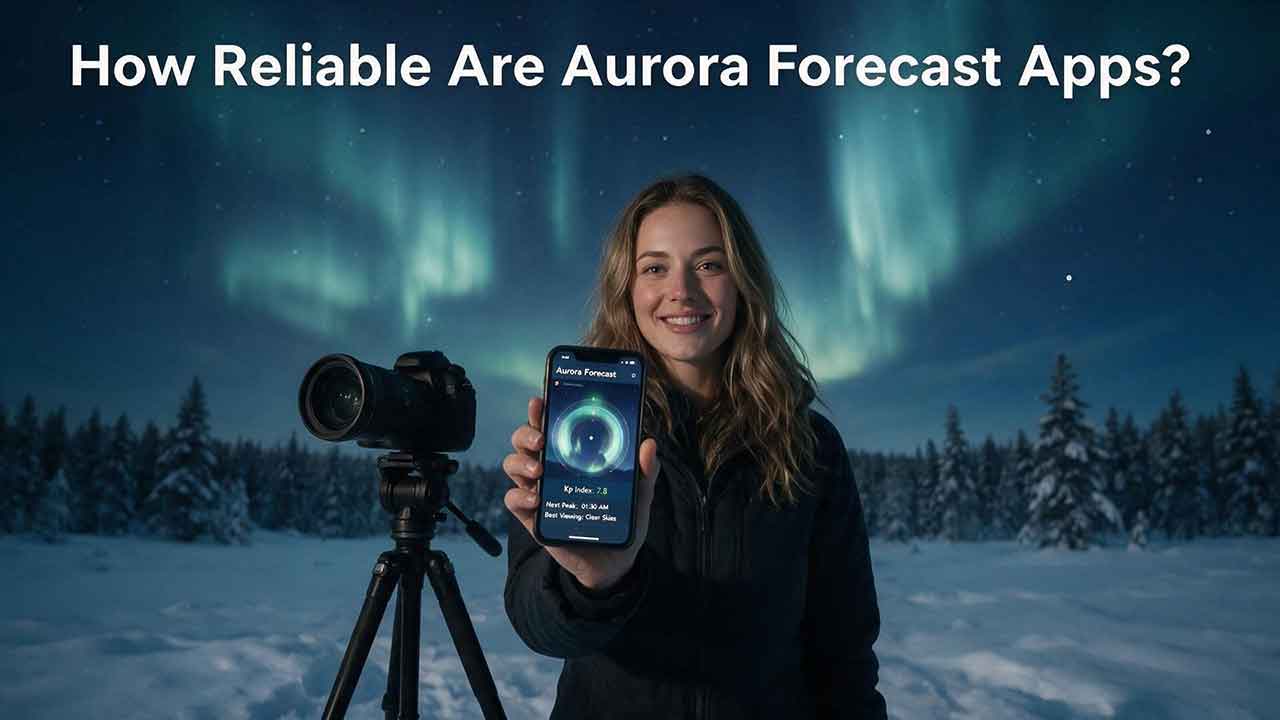
How Reliable Are Aurora Forecast Apps?
Aurora forecast apps are useful for identifying periods of elevated geomagnetic activity, but they cannot guarantee that the northern lights will be visible from a specific location at a specific time. This guide explains why app alerts sometimes disagree, how forecast reliability changes as an event approaches, and which measurements deserve the most attention. Readers will learn how to interpret the auroral oval, observed and forecast Kp, solar-wind speed, Bz, cloud cover, darkness, timestamps, and official space-weather alerts. The article also introduces the Signal-to-Sky Reliability Framework, a viewing-location comparison tool, and a transparent method for auditing app notifications without inventing accuracy claims. Practical tables, troubleshooting guidance, and a step-by-step verification process help casual observers, photographers, travelers, and lower-latitude aurora chasers decide when an alert is worth acting on. The guide is based on authoritative documentation and published research rather than hands-on commercial app rankings.
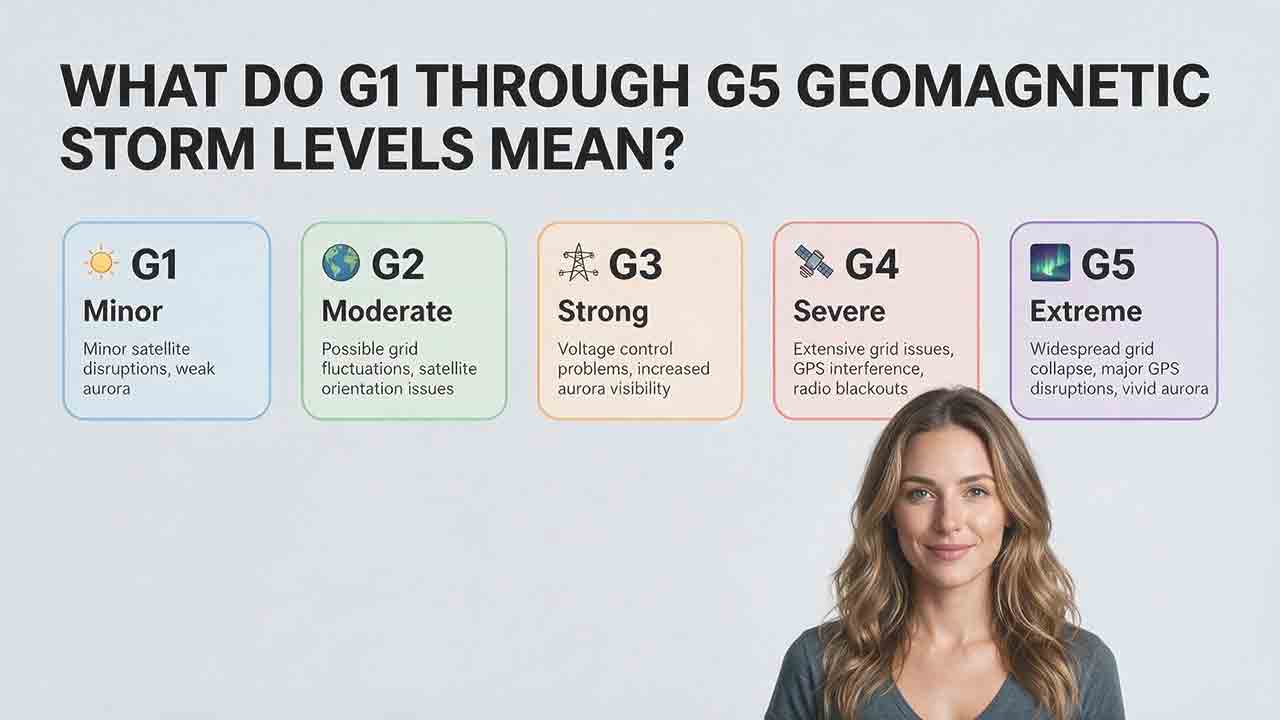
What Do G1 Through G5 Geomagnetic Storm Levels Mean?
NOAA’s G1 through G5 scale ranks geomagnetic storms from minor to extreme and translates planetary Kp measurements into practical impact categories. This guide explains the exact relationship between G levels and Kp notation, including why Kp 9− remains G4 while only Kp 9o qualifies as G5. It compares the possible effects of each level on aurora visibility, power systems, satellites, high-frequency radio, GPS, and precision navigation without treating those outcomes as guaranteed. Readers also learn how to distinguish a forecast, watch, warning, and observed alert; convert UTC forecast windows; interpret decimal Kp values such as 4.67 and 8.67; and apply the Scale–Status–Window–Location–System framework. Practical tables, a G3 watch example, common mistakes, and user-specific recommendations help the public, aurora observers, and technical users respond appropriately without unnecessary alarm.
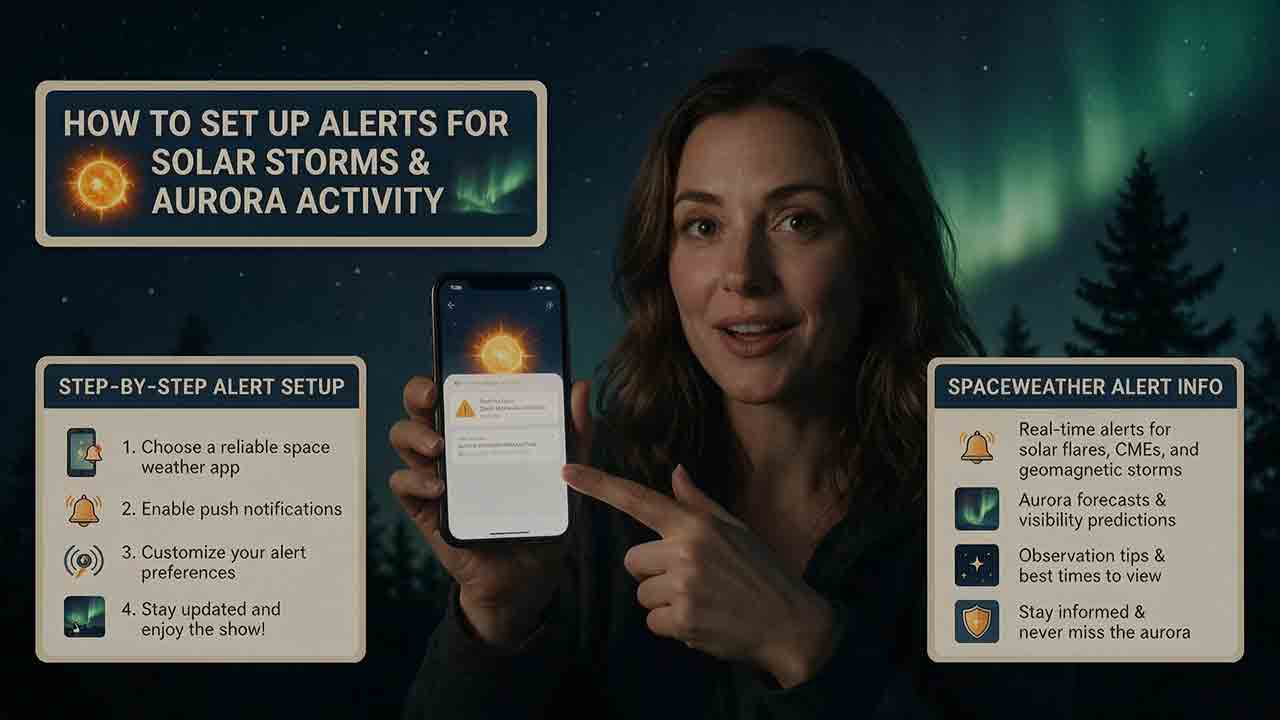
How to Set Up Alerts for Solar Storms and Aurora Activity
This practical guide explains how to build a reliable alert system for solar storms and aurora activity using official NOAA space-weather messages, location-aware aurora tools, and local weather forecasts. It clarifies the differences between forecasts, watches, warnings, and observed-threshold alerts, then shows readers how to select useful geomagnetic products, choose location-appropriate Kp thresholds, convert emails into phone notifications, and verify alerts with current auroral oval, darkness, and cloud information. The article also introduces the Three-Layer Alert Stack, Four-Gate Go-or-No-Go Check, and Two-Trigger Rule to help readers avoid acting on a single notification. Separate recommendations are included for casual observers, photographers, travelers, Southern Hemisphere viewers, amateur radio operators, and technical users. Troubleshooting steps, a notification-delivery audit, custom-alert guidance, common mistakes, and a pre-departure safety checklist make the guide useful for both initial setup and ongoing maintenance.
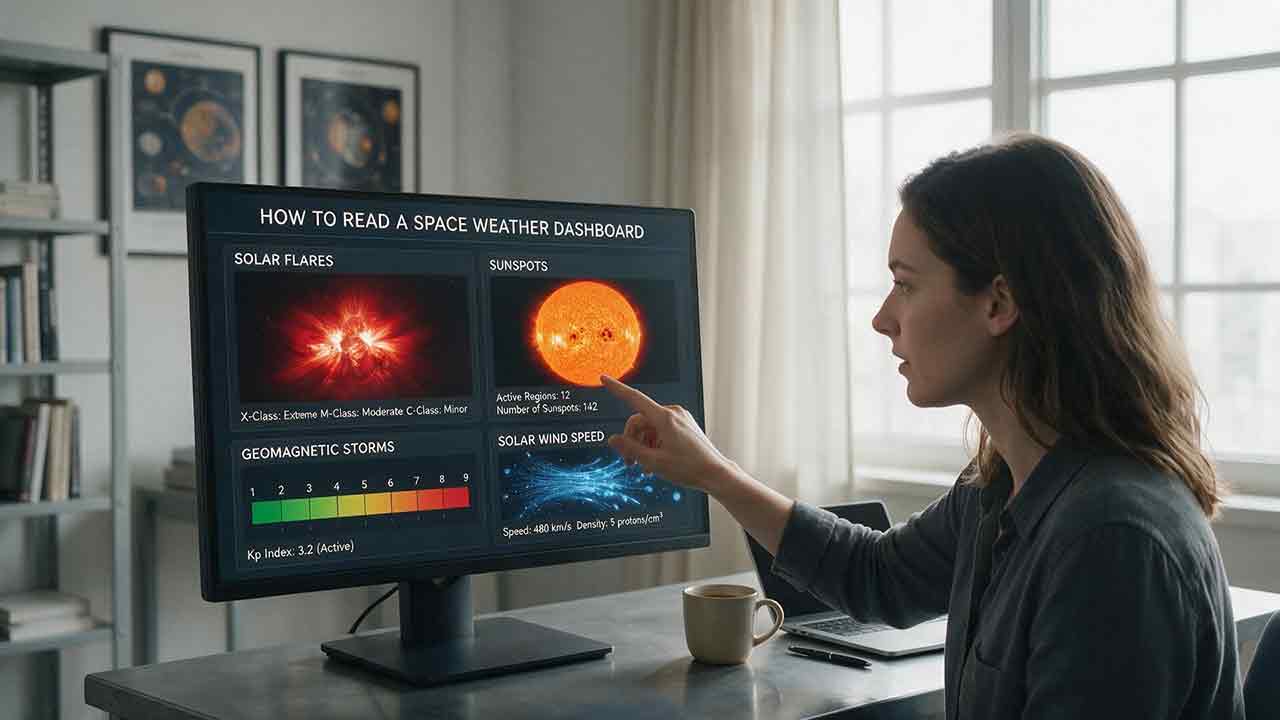
How to Read a Space Weather Dashboard
This practical guide explains how to read a space weather dashboard without relying on a single dramatic number. It shows readers how to distinguish NOAA’s G, S, and R scales, separate observations from forecasts and alerts, and interpret Kp, solar-wind speed, density, Bt, Bz, X-ray flux, proton flux, and auroral forecasts. The article introduces clear editorial frameworks for matching each indicator to a specific goal, including aurora viewing, HF radio monitoring, GNSS awareness, satellite operations, and power-grid context. It also includes a simplified L1-to-Earth travel-time calculation, a hypothetical dashboard example, troubleshooting advice, common interpretation mistakes, and a five-minute checklist. Based on authoritative NOAA, NASA, National Weather Service, and USGS documentation, the guide emphasizes uncertainty, timestamps, source status, and professional-use limitations while helping ordinary readers turn a complex dashboard into a reliable decision-support tool.
What Is the Solar Wind and How Does It Affect Earth?
The solar wind is a continuous stream of plasma and embedded magnetic fields flowing outward from the Sun. This article explains how that flow interacts with Earth’s magnetosphere and why solar-wind speed alone cannot predict the strength of a geomagnetic disturbance. Readers learn how proton density, dynamic pressure, magnetic-field strength, and southward Bz influence energy transfer into near-Earth space. The guide also distinguishes the solar wind from solar flares, coronal mass ejections, and solar energetic particles. Transparent travel-time and pressure calculations show how common measurements can be interpreted, while a practical decision framework explains how to read real-time NOAA data. The article also examines auroras, satellite drag, GPS accuracy, radio communication, power-grid effects, and the protection provided by Earth’s atmosphere and magnetic field. It emphasizes forecasting limits, data-quality checks, local viewing conditions, and the importance of relying on official space-weather alerts.
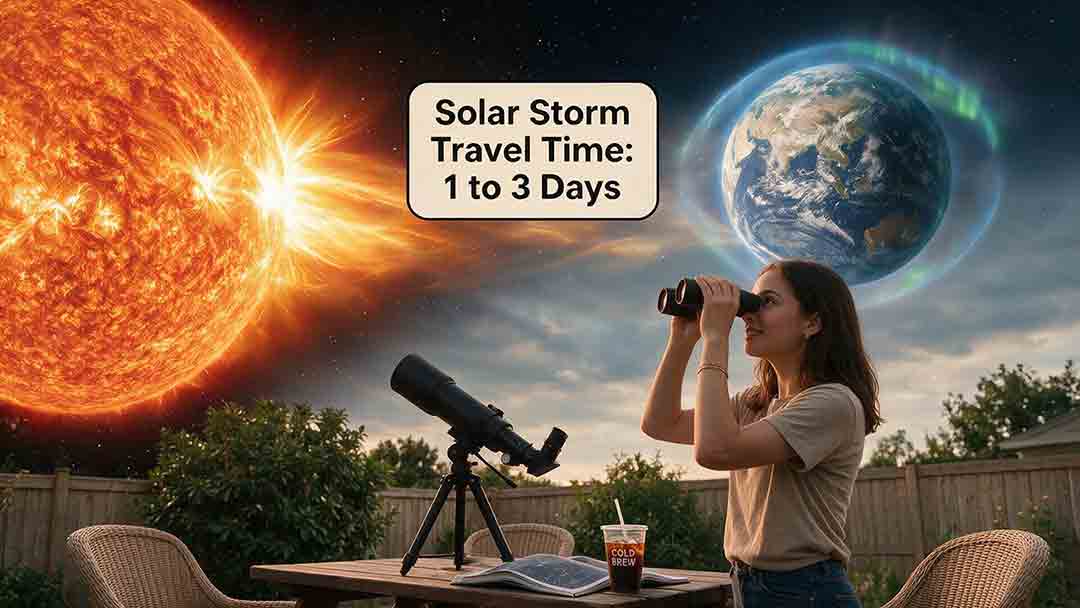
How Long Does a Solar Storm Take to Reach Earth?
A solar storm does not reach Earth on a single timetable because its radiation, energetic particles, and plasma travel at very different speeds. Solar-flare radiation arrives in about 8 minutes 20 seconds, while the fastest solar energetic particles can arrive in tens of minutes or less. An Earth-directed coronal mass ejection, or CME, generally takes one to several days, although exceptional events may arrive in roughly 15–18 hours. This guide introduces the Three-Clock, Two-Window Method for separating these timelines and understanding the difference between an early model forecast and short-term confirmation from spacecraft near the Sun–Earth L1 region. It also provides a transparent constant-speed calculation, real-world CME examples, common timing mistakes, and a practical process for interpreting official space-weather reports. Readers will learn why CME speed alone cannot determine arrival time, geomagnetic-storm strength, or whether aurora will be visible from a specific location.